MINE: coordinating the mesh through the hardware we already own
MINE is Offline Protocol’s first attempt at the mesh coordination problem: a rewards app that turns the phones people already own into mesh nodes.
Deep dives on mesh networking, offline identity, and coordination without a server, plus field notes and perspective from running the protocol in production. Written by the team building Offline Protocol.
MINE is Offline Protocol’s first attempt at the mesh coordination problem: a rewards app that turns the phones people already own into mesh nodes.

Fernweh V2 turns Offline Protocol’s mesh foundation into a complete private messenger spanning local and internet paths, verifiable identity, private search, reputation, and encrypted calls.
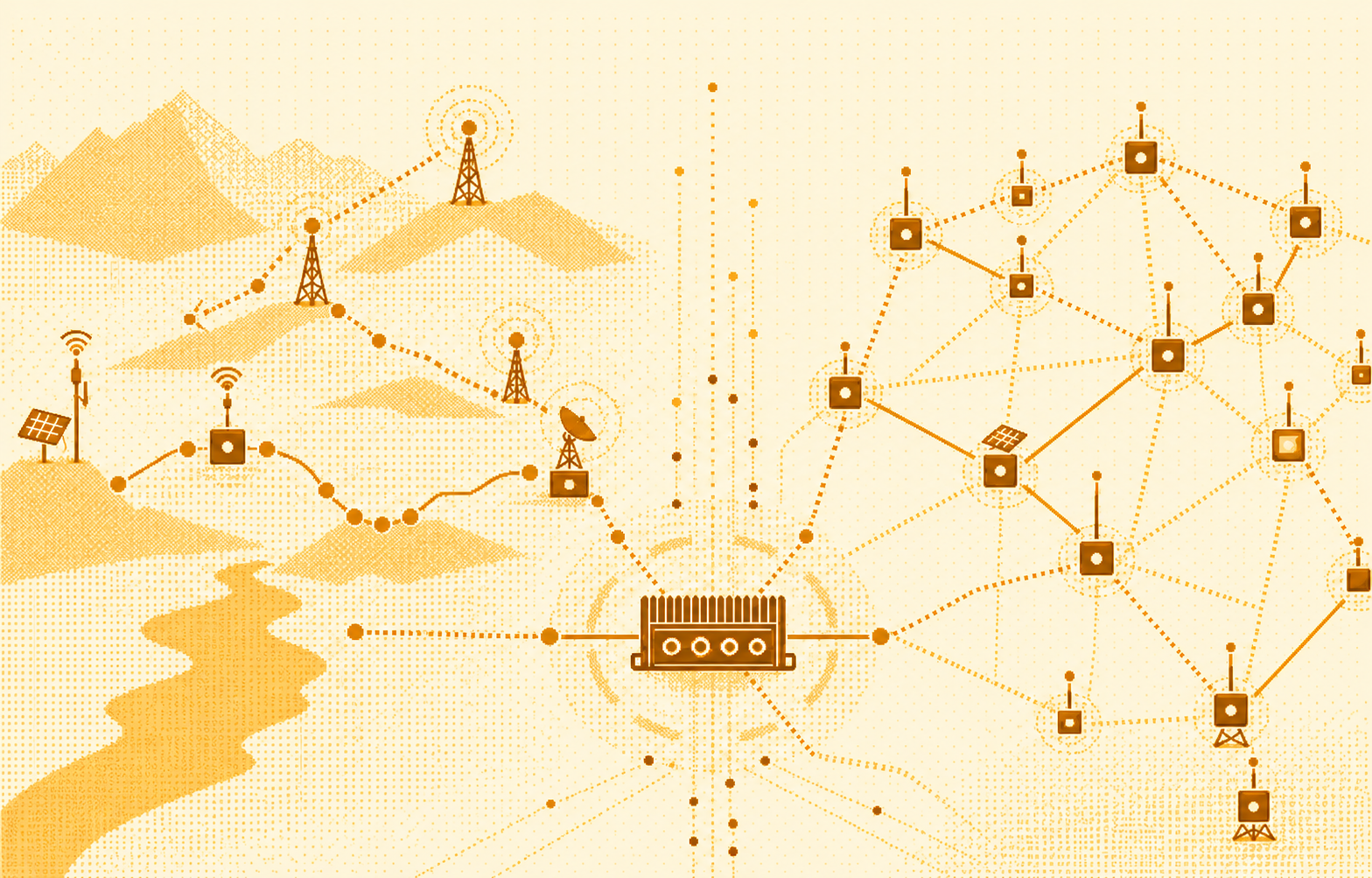
Reticulum extends Offline Protocol into long-range and infrastructure-sparse networks. Nostr adds a decentralized relay path across reachable internet infrastructure.
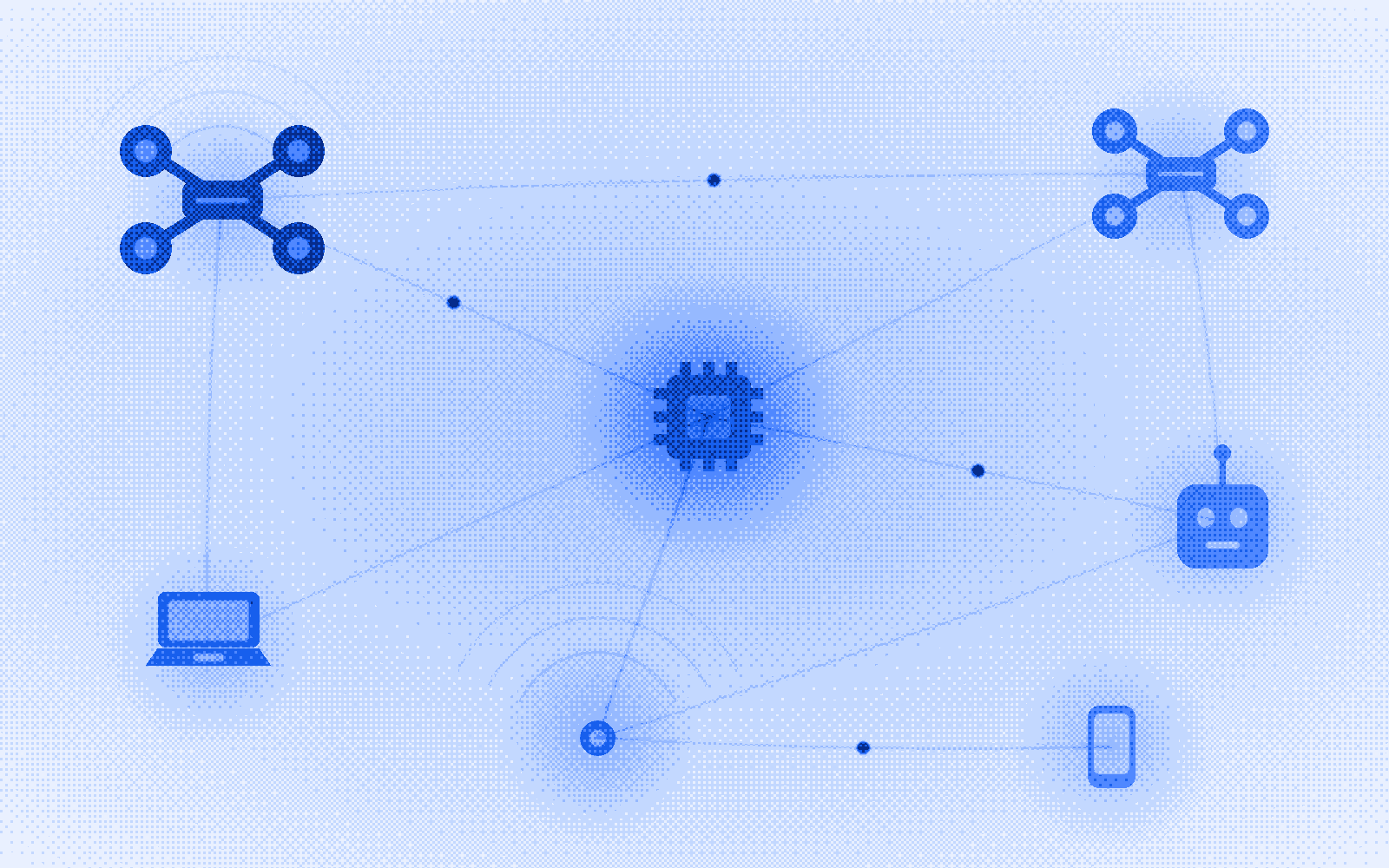
We are open sourcing the Offline Protocol Mesh SDK, the Rust coordination engine behind 350,000+ devices that keep working when the internet does not.

Cellular and satellite links drop in transit, at sea, underground, and at remote sites, and telemetry goes dark with them. Here is how to keep the stream alive.
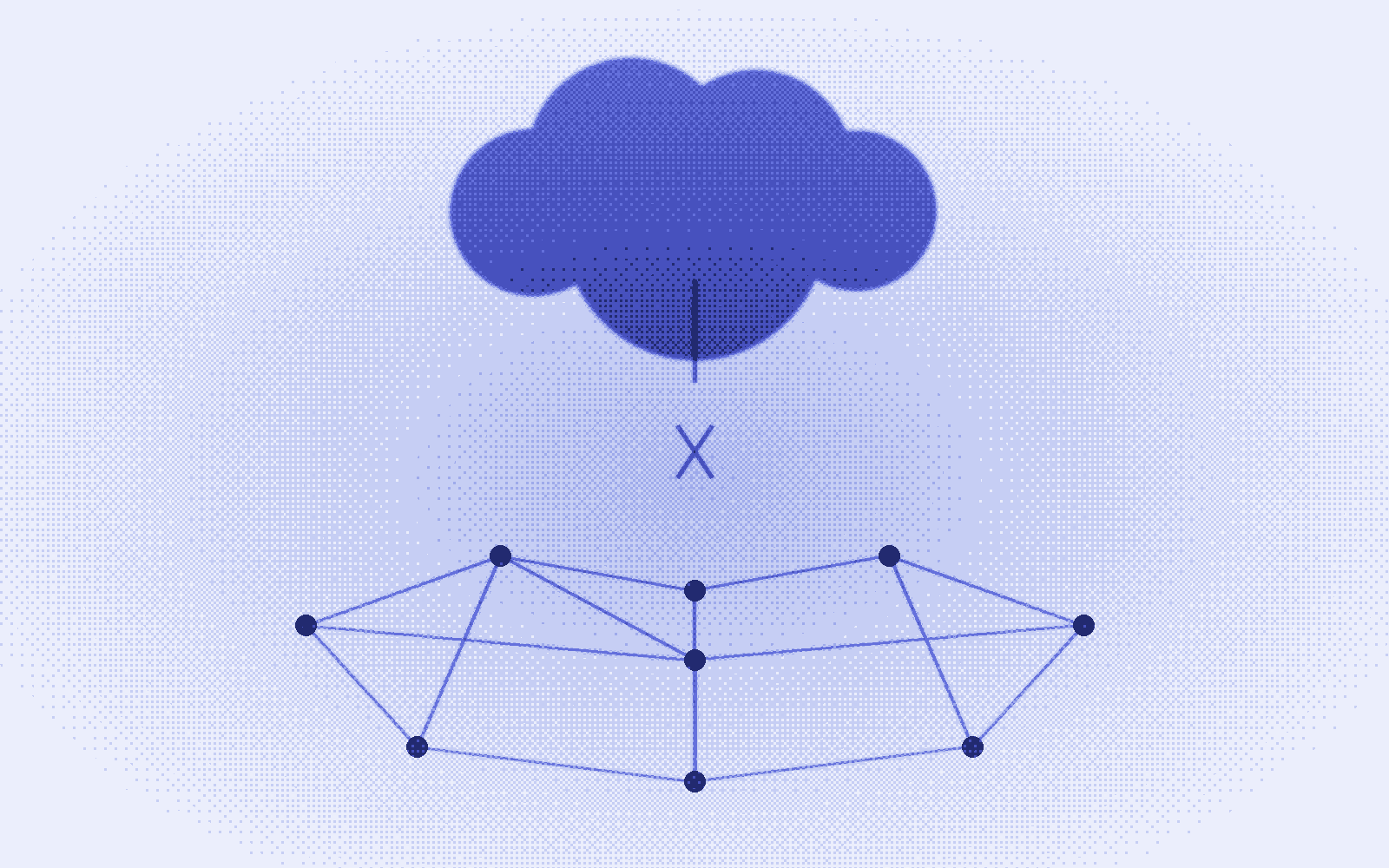
Modern software treats the network as a fact of nature rather than a dependency. Everywhere the work actually happens, that assumption quietly fails, and the case for offline-first is really the case for declaring it.
The delay-tolerant machinery underneath Offline Protocol: how a message waits, deduplicates, and moves the moment a link appears, instead of failing when one does not.

How devices on Offline Protocol prove who they are to each other with no certificate authority, no directory, and no live network to check against.

The smallest useful thing you can build on Offline Protocol is a message that reaches its recipient with no server in the path, over an encrypted mesh.

Inside the transport layer of Offline Protocol: how DORS scores BLE, WiFi Direct, internet, Reticulum, and Nostr and moves traffic between them automatically.

Downtime is usually measured in hours. The more useful unit is dollars per hour, which reframes offline-first from a nice-to-have into a line item.
How devices on the mesh advertise, discover, and invoke capabilities with no DNS, no registry server, and no internet connection at all.

A record 313 internet shutdowns, $19.7B in blackout losses, and 4.62 billion people affected. The numbers behind building offline-first.

We shipped Fernweh, a messenger that works without internet, and watched the mesh under it grow to 350,000+ devices across 140+ countries.
No posts match your search.