Coordination for mines, rigs, plants, and vessels that operate off-grid
Multi-hop mesh across crews, equipment, and sensors underground, offshore, and beyond the last access point. Safety workflows and site telemetry with no backhaul in the loop. Live on 350,000+ devices across 80+ countries.
Running the mesh across active deployments
Range spans drifts, decks, and plant floors
Holds as crews move off-grid
Moves sensor payloads and files across the mesh
Heavy industry runs where networks were never built
Underground and inside plant, RF is hostile by design
Rock, steel, and interference kill radio. Leaky feeder and fixed WiFi cost heavily per meter and end exactly where the work face moves next. Coverage is always one extension behind the crew.
Offshore, one fragile link carries everything
Platforms and vessels run on satellite that weather degrades, bandwidth caps, and cost meters. Every local workflow that routes through the backhaul queues behind it and fails with it.
Remote sites run disconnected by default
Exploration camps, wellheads, and substations generate data that travels by truck. Readings taken Monday reach the historian Thursday, and decisions get made on last week’s numbers.
Safety workflows cannot depend on backhaul
Mustering, lone worker check-ins, and evacuation coordination have to work in precisely the moments infrastructure fails. A safety system with a connectivity dependency is a liability with a dashboard.
What the mesh replaces
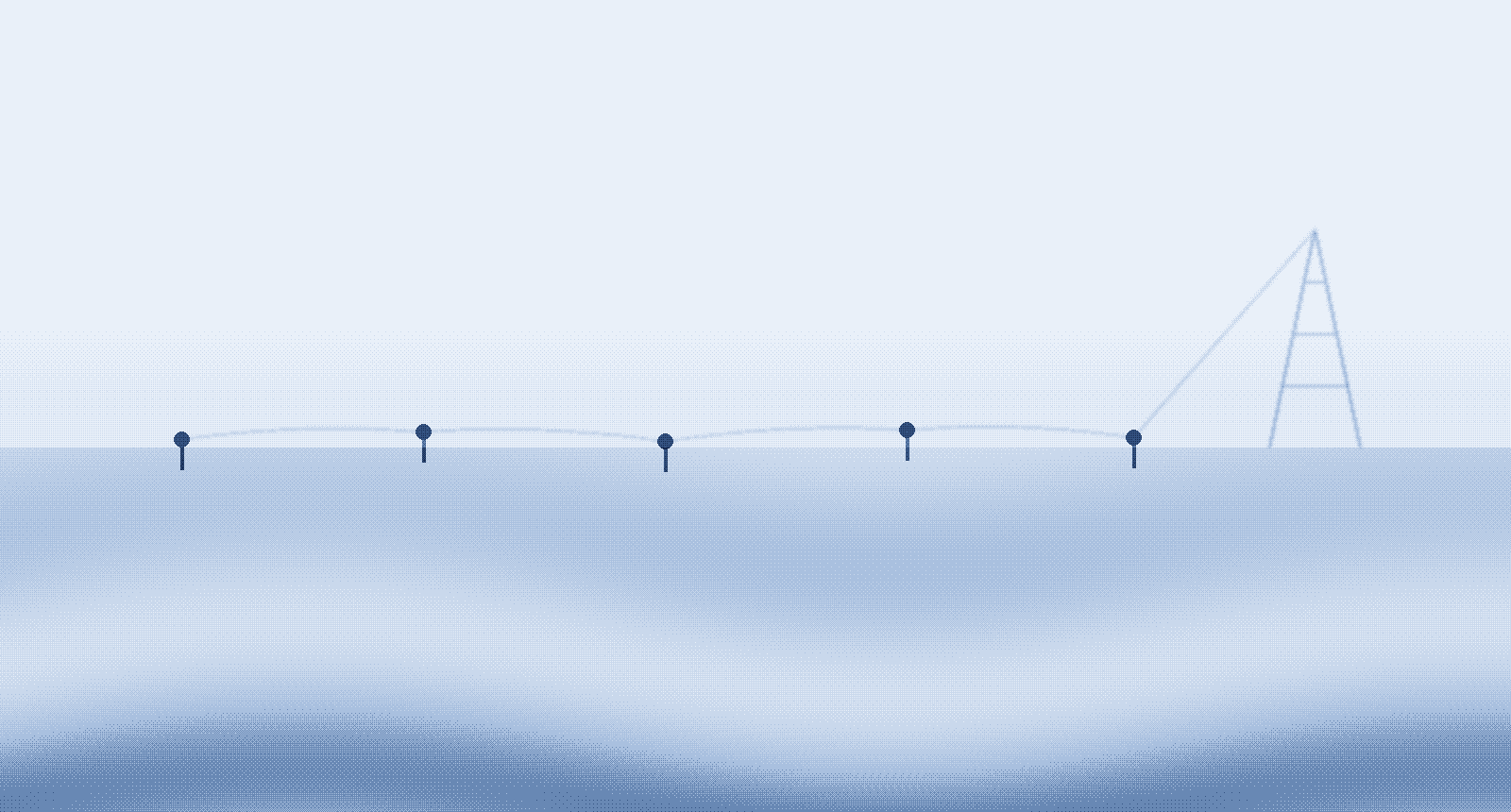
A mesh that moves with the crew, not the infrastructure
DORS forms a multi-hop mesh across worker devices, vehicles, and gateways over BLE and WiFi Direct, with automatic failover and sub-second transport switching. Coverage advances with the work face, deck by deck and drift by drift, without pulling cable.
Sensors and equipment invocable across the site
Service Discovery gives any device a request/response interface to any capability within 8 hops. A tablet in the control room invokes a vibration read from a sensor five hops into the plant, and chunked transfer moves payloads up to 100MB back.
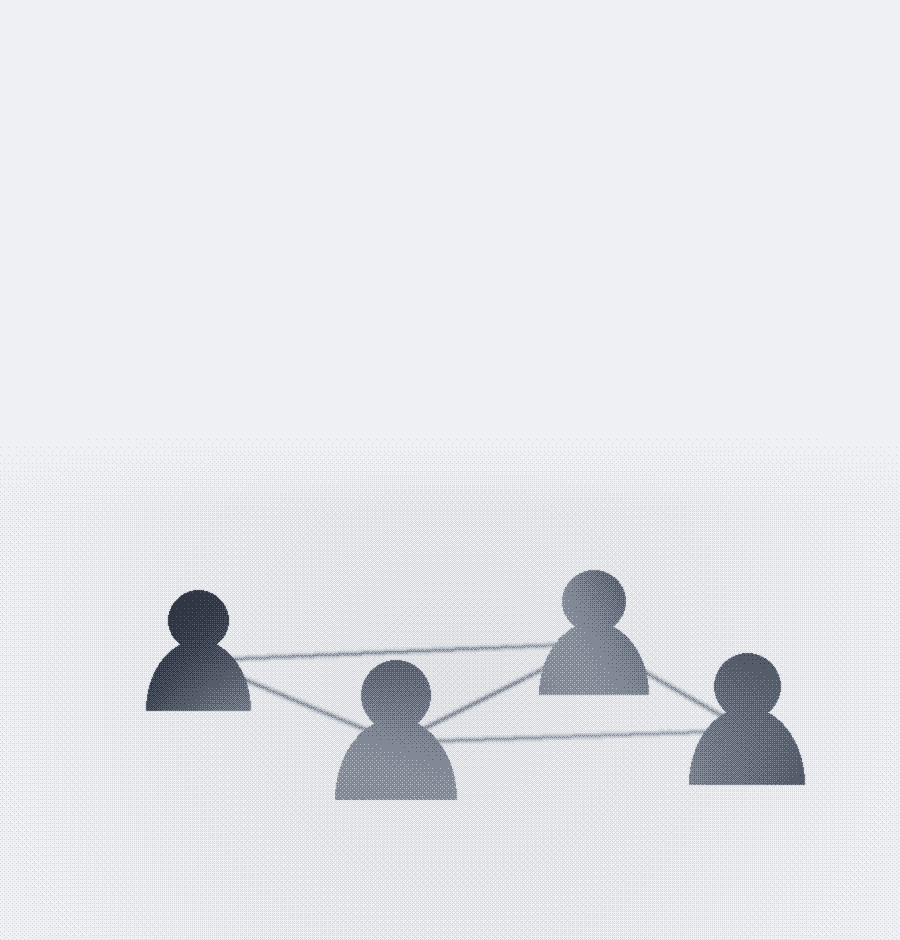
Crew identity and mustering with zero connectivity
OfflineID gives every worker and contractor an Ed25519 identity verifiable device-to-device. Muster checks, access decisions, and lone worker confirmations authenticate on the spot, and MLS-encrypted messaging carries coordination between them.
An operational record that survives the outage
Opt-in telemetry buffers transport transitions, routing decisions, and capability changes on-device through the whole disconnected shift, then flushes to your historian in order when any node reaches a link at the gate, the port, or the uplink window.
What you can build for underground, offshore, and off-grid sites
These are buildable today on the SDK primitives, on the certified devices your site already runs.
An underground mine communication system with no leaky feeder
You can build crew coordination that advances with the work face using DORS, routing multi-hop across worker devices, vehicles, and gateways over BLE and WiFi Direct. Coverage follows the crew drift by drift instead of ending at the last cable.
Remote sensor reads across the site
You can build a request/response interface to any equipment within 8 hops with Service Discovery. A control room tablet invokes a vibration read from a sensor deep in the plant, and chunked transfer moves payloads up to 100MB back over the mesh.
Lone worker check-ins and mustering offline
You can build safety workflows where a check-in authenticates device-to-device with OfflineID and relays through whatever crew devices and gateways are in range, so mustering keeps working in exactly the conditions that take fixed infrastructure down.
The primitives behind off-grid industrial coordination
A mesh that moves with the crew
DORS forms a multi-hop mesh across worker devices, vehicles, and gateways with automatic failover and sub-second transport switching. Coverage advances with the work face, no cable pulled.
Sensors and equipment invocable across the site
Service Discovery gives any device a request/response interface to any capability within 8 hops, with chunked transfer moving payloads up to 100MB back to the control room.
Crew identity and mustering with zero connectivity
OfflineID gives every worker and contractor an Ed25519 identity verified device-to-device, so muster checks, access decisions, and lone worker confirmations authenticate on the spot inside MLS-encrypted sessions.
What your team can implement
Multi-hop crew mesh
Coordination that advances with the work face, no leaky feeder.
Remote sensor reads
Invoke equipment capabilities request/response within 8 hops.
Lone worker check-ins
Safety confirmations authenticated device-to-device offline.
Offline mustering
Verify crew presence against Ed25519 identities with no backhaul.
Buffered site telemetry
Readings buffer on-device and flush in order at the uplink window.
Chunked payload transfer
Move sensor data and files up to 100MB hop by hop with resume.
Vessel-to-vessel coordination
Invoke capabilities across vessels with no shore infrastructure.
Build on the SDK
React Native binding over a Rust core, on your certified devices.
Underground mine communication without pulling more cable
Leaky feeder and fixed WiFi share a flaw: coverage is wherever you last paid to extend it, and the work face has already moved. A multi-hop mesh makes coverage a property of the crew instead of the tunnel. Worker devices, vehicles, and gateways relay for each other over BLE and WiFi Direct, up to 8 hops, so the network advances drift by drift with the people in it.
Offshore, the same architecture keeps platform and vessel coordination local. Deck-to-deck workflows stop queueing behind a weather-degraded satellite link, and buffered telemetry flushes to your historian in order when the backhaul returns.
If your operation also runs a yard or a truck fleet above ground, the same mesh covers the logistics side, from the gate to the last dead corner of the terminal.
A sensor read from the control room, three hops into the plant
A control room dashboard invokes a vibration sensor read over an offline industrial mesh network, relayed through crew devices on the plant floor with no plant WiFi and no cloud round trip.
Figure 1. The control room discovers the sensor capability three hops away through crew devices on the floor, authenticates it with OfflineID, and invokes the read request/response over the mesh. No plant WiFi, no new cable, no cloud round trip.
How a pilot runs
6 to 10 weeks, scoped up front, no open-ended commitments.
The SDK goes onto the crew devices and gateway compute your site already runs. Devices join the mesh and authenticate with site-provisioned OfflineIDs.
A defined offline scenario under your conditions: underground, offshore, or beyond the fence, with mustering, sensor reads, and coordination running mesh-only.
Success criteria agreed before week one, evaluated against the opt-in telemetry record: delivery rates, failover times, hop counts, sync completeness.
Industrial, energy, and maritime FAQ
What is an underground mine communication system that does not need leaky feeder?
A device-to-device mesh. DORS routes multi-hop over BLE and WiFi Direct across worker devices, vehicles, and gateways, up to 8 hops, so coverage advances with the crew and the work face instead of ending at the last cable extension.
Does the mesh work underground and inside plants?
Yes, that is the operating assumption. Routing is multi-hop over BLE and WiFi Direct, so coverage follows the crew and their devices rather than fixed infrastructure. Every worker device, vehicle, and gateway extends the mesh up to 8 hops.
Does this replace our satellite link offshore?
No. Satellite remains your backhaul when you have it. The mesh handles local coordination on the platform or vessel, deck to deck and crew to crew, without a round trip through the link. When the backhaul returns, buffered data syncs.
Can vessels coordinate with each other at sea?
Vessels within radio range of each other, or bridged by devices between them, form a mesh directly. Service Discovery lets systems on one vessel invoke capabilities on another, request/response, with no shore infrastructure in the loop.
Can we run this on intrinsically safe or certified devices?
The SDK ships as a React Native binding over a Rust core. It runs on the certified Android devices and gateway compute your site already approves; the protocol does not change your device certification requirements.
How is site data secured between devices?
Sessions are encrypted end-to-end with MLS (RFC 9420) by default, and every device and worker carries an Ed25519 OfflineID verifiable device-to-device. Muster checks and access decisions authenticate with zero connectivity.
How does a pilot work?
A 6 to 10 week scoped pilot against your site, your conditions, and success criteria we agree up front. Contact us to scope it.
How do lone worker check-ins work with no signal?
Over the mesh, not the backhaul. A check-in authenticates device-to-device with OfflineID and relays through whatever crew devices and gateways are in range, so the safety workflow keeps functioning in exactly the conditions that take fixed infrastructure down.